When summer temperatures surge, keeping your dog safe and comfortable becomes a top priority. Unlike humans, who rely on a whole-body network of sweat glands to release heat, dogs cool themselves down primarily through panting and heat exchange through their paw pads. When the air outside is scorching or sticky with humidity, this cooling mechanism can quickly fail.
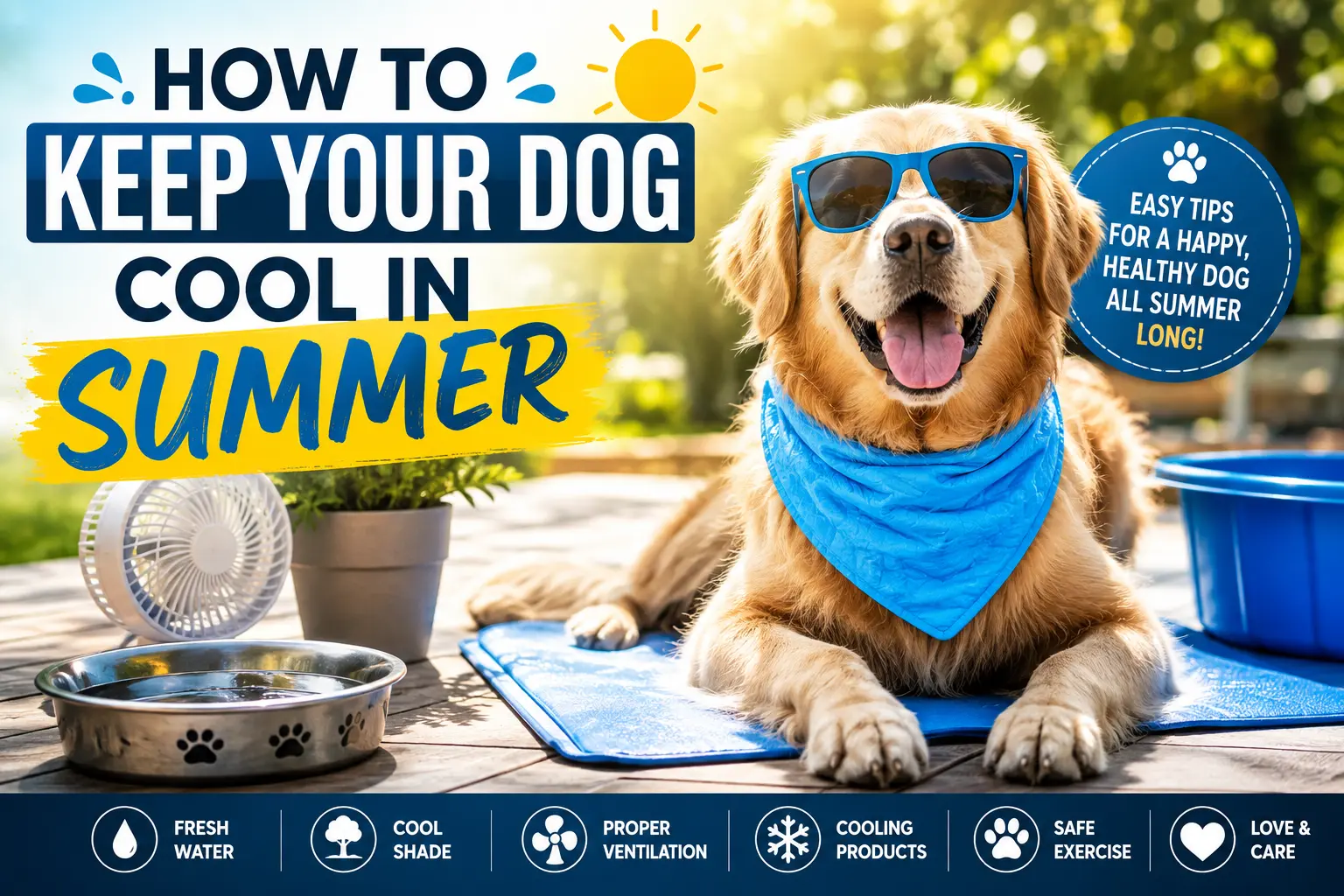
Learning how to keep your dog cool in summer isn’t just about making your pet comfortable—it is a critical part of preventing severe heat exhaustion and life-threatening heatstroke. Whether you are going on daily neighborhood walks, hanging out in the backyard, or trying to sleep through a muggy night, simple proactive adjustments to your dog’s daily routine can make all the difference.
Below is an expert guide on canine heat safety, practical home remedies, vet-approved cooling tips, and early warning signs every dog owner must know.
Why Dogs Can Overheat in Summer
To keep your dog safe, it helps to understand how their bodies manage heat.
Humans have millions of eccrine sweat glands spread across their skin, allowing sweat to evaporate and cool the entire body surface. Dogs only have active sweat glands in their footpads. Their primary method of lowering core body temperature is panting.
When a dog pants, air passes rapidly over the moist tissues of their tongue, mouth, and upper respiratory tract, evaporating moisture and transferring heat out of the body. However, panting becomes far less effective when ambient temperatures match or exceed a dog’s internal body temperature (100.5°F to 102.5°F) or when humidity is high.
+-------------------------------------------------------------------------------+
|                       CANINE THERMOREGULATION AT A GLANCE                     |
+-------------------------------------------------------------------------------+
| Primary Cooling Method   | Panting (evaporative cooling via respiratory tract)|
| Secondary Cooling Method | Sweat glands located exclusively in paw pads       |
| Major Risk Factors       | High humidity, direct sun, asphalt heat, exercise   |
| Normal Core Temp Range   | 100.5°F to 102.5°F (38°C to 39.2°C)                |
+-------------------------------------------------------------------------------+
When panting is insufficient to dissipate heat, a dog’s core temperature rises rapidly, leading to hyperthermia and potentially heatstroke.
15 Practical Ways to Keep Your Dog Cool in Summer
1. Provide Constant Access to Fresh, Cool Water
Hydration supports internal cooling and replaces fluids lost through panting. Place multiple water bowls around your home and yard in shady, easily accessible spots. Refresh the bowls frequently so the water stays cool and appetizing.
2. Add Ice Cubes to Water Bowls
Adding ice cubes to your dog’s water bowl is a simple, effective way to keep drinking water chilled on hot days. Floating ice cubes also provide mental stimulation as many dogs enjoy bobbing for them or crunching on them.
3. Shift Walk Times to Early Morning and Late Evening
Avoid exercising your dog during peak heat hours (10:00 AM to 4:00 PM). Plan walks for early morning when pavement and ground temperatures are at their lowest. Late evening walks are another option, though asphalt can retain ambient heat long after the sun goes down.
4. Perform the “5-Second Paw Test” Before Walking
Asphalt, concrete, and sand absorb solar radiation and reach burning temperatures fast. On an 86°F (30°C) day, asphalt temperatures can spike to over 130°F (54°C)—hot enough to burn paw pads in seconds.
The 5-Second Test: Press the back of your bare hand firmly against the pavement for 5 seconds. If it is too hot for your hand, it is too hot for your dog’s paws. Stick to grass or shaded dirt trails instead.
5. Never Leave Your Dog in a Parked Car
Even with windows cracked or parked in total shade, the interior temperature of a car can jump 20°F in under 10 minutes. Within 30 minutes, a car’s interior can reach dangerous, fatal levels. Leave your dog safely at home when running errands during hot weather.
6. Create Shaded, High-Airflow Outdoor Zones
If your dog spends time in the yard, ensure they have continuous shade that shifts with the sun throughout the day. Elevated shade structures, pop-up pop canopies, and leafy trees provide excellent cover. Avoid fully enclosed wooden dog houses, which trap heat and lack necessary airflow.
7. Utilize Pressure-Activated Cooling Mats
Gel cooling mats automatically react to your dog’s weight, providing a cool surface that absorbs body heat. Place these mats in your dog’s favorite lounging spots indoors or in a shaded patio zone.
8. Set Up a Shallow Doggy Paddling Pool
Fill a hard-shell plastic kiddie pool with a few inches of cool water in a shaded section of your yard. Splashing around or sitting in shallow water cools a dog’s paws and belly—two primary heat transfer points. Always supervise water play and rinse off pool water afterward to avoid skin irritation.
9. Make DIY Frozen Treats (“Pup-Sicles”)
Freeze dog-safe ingredients like low-sodium chicken broth, plain Greek yogurt, diluted peanut butter (xylitol-free), or pureed pumpkin inside a rubber chew toy (like a Kong) or ice cube tray. These treat puzzles keep dogs mentally engaged while helping cool them down internally.
10. Keep Blinds and Curtains Closed During the Day
Reduce solar heat gain indoors by closing window blinds, shades, or blackout curtains on sun-facing windows during peak daytime hours. This simple habit keeps interior rooms significantly cooler, reducing the burden on your air conditioning unit.
11. Brush Fur Regularly (But Avoid Shaving Double-Coated Breeds)
Brushing removes dead undercoat fur, matting, and trapped debris, allowing better air circulation across your dog’s skin.
- Important: Never shave double-coated breeds (like Huskies, Golden Retrievers, German Shepherds, or Pomeranians). Their topcoat acts as an insulating layer against both cold and summer heat, while also protecting their delicate skin from sunburn.
12. Use Cooling Vests or Damp Bandanas
Evaporative cooling vests and bandanas are soaked in cool water, wrung out, and fitted to your dog. As the water slowly evaporates from the fabric, it draws heat away from your dog’s chest and neck area. Re-wet the fabric whenever it dries out.
13. Elevate Your Dog’s Bed
Standard plush pet beds trap heat against your dog’s body. Swap traditional beds out for an elevated mesh pet cot during summer. The raised design allows air to circulate under your dog, keeping them cooler while resting.
14. Apply Pet-Safe Sunscreen
Dogs with thin hair, white coats, pink skin, or shaved patches can easily get sunburned on their nose, ears, belly, and snout. Apply a specialized, non-toxic pet sunscreen to exposed areas before outdoor activities. Never use human sunscreen, as ingredients like zinc oxide and salicylates are toxic to dogs.
15. Swap Hard Run Exercises for Low-Impact Mental Games
Skip high-cardio activities like fetching, running alongside bicycles, or agility training during hot weather. Instead, burn off mental energy indoors with scent work, trick training, puzzle toys, or hide-and-seek.
How to Keep Your Dog Cool Indoors
Even inside the house, hot summer afternoons can feel stifling—especially in homes without central air conditioning.
- Optimize Air Movement: Set up box fans or oscillating fans at floor level where your dog rests. While fans don’t lower room temperature, the air movement assists evaporative cooling as your dog pants.
- Expose Hard Flooring: Allow your dog access to tiled, linoleum, or hardwood floor areas like bathrooms, kitchens, and basements. Hard surfaces absorb body heat far better than plush carpet.
- Dehumidify the Space: High indoor humidity limits a dog’s panting efficiency. Running a dehumidifier alongside fans makes indoor spaces feel cooler and safer for your pet.
How to Keep Your Dog Cool Outside
If you are enjoying outdoor time in the yard, at a picnic, or at a campsite, follow these outdoor cooling protocols:
+-------------------------------------------------------------------------------+
|                        OUTDOOR SUMMER SAFETY CHECKLIST                        |
+-------------------------------------------------------------------------------+
| [ ] Natural or tarp shade that moves with the sun                             |
| [ ] Fresh, spill-proof water supply kept in constant shade                     |
| [ ] Elevated cot or damp towel to keep off hot grass/dirt                     |
| [ ] Portable cooling vest or splash pool nearby                               |
| [ ] Zero forced high-speed fetch or running games                             |
+-------------------------------------------------------------------------------+
How to Keep Your Dog Cool at Night
Warm summer nights can disrupt your dog’s sleep, leading to restlessness and heavy panting.
- Use Air Circulation: Keep bedroom windows open if there is a cool night breeze, or direct a quiet fan toward your dog’s sleeping area.
- Provide Cooling Bedding: Replace thick orthopedic memory foam beds with an elevated mesh cot or place a cooling mat inside their crate or bed setup.
- Keep Fresh Water Bedside: Ensure your dog has unhindered access to fresh water throughout the night.
Which Dogs Are Most Vulnerable to Heat?
While any dog can succumb to overheating, certain physiological and environmental factors dramatically increase risk.
+-----------------------------------------------------------------------------------+
|                        HIGH-RISK DOG CATEGORIES                                   |
+-----------------------------------------------------------------------------------+
| Category               | Risk Factor Description                                  |
+------------------------+----------------------------------------------------------+
| Brachycephalic Breeds  | Shortened airways obstruct efficient panting & cooling   |
| Senior Dogs & Puppies  | Poor thermoregulation capabilities & fragile stamina      |
| Overweight Dogs        | Excess fat layer traps heat and stresses cardiovascular  |
| Medical Conditions     | Heart disease, laryngeal paralysis, or lung disorders     |
| Thick/Heavy Coats      | Dense fur holds in heat if undercoat is unbrushed        |
| Non-Acclimated Dogs    | Unused to sudden seasonal heat spikes or location shifts  |
+-----------------------------------------------------------------------------------+
- Flat-Faced (Brachycephalic) Breeds: Pugs, French Bulldogs, English Bulldogs, Boxers, and Shih Tzus have shortened facial structures and restricted airways. Panting is significantly less efficient for them, making them vulnerable to heatstroke even in moderate warmth.
- Senior Dogs & Puppies: Older dogs often have underlying cardiovascular or respiratory weaknesses, while young puppies lack fully developed thermoregulatory systems.
- Overweight & Obese Dogs: Body fat acts as insulation, trapping heat inside the body core and increasing the physical effort required to move.
- Dogs with Pre-Existing Illnesses: Conditions like heart disease, laryngeal paralysis, or collapse-prone tracheas reduce oxygen intake and thermal tolerance.
How Hot Is “Too Hot” for a Dog?
There is no single ambient temperature threshold that applies to every dog. Heat safety depends on a combination of temperature, humidity, coat type, age, and activity level.
- Below 70°F (21°C): Generally safe for all dogs under normal conditions.
- 70°F to 77°F (21°C to 25°C): Low to moderate risk. Monitor high-risk breeds, overweight dogs, and intense exercise sessions closely.
- 78°F to 85°F (26°C to 29°C): Dangerous for vulnerable dogs. Keep outdoor time brief and avoid heavy exercise.
- 86°F (30°C) and Above: High risk for all dogs. Keep outdoor excursions limited to short potty breaks and focus on keeping your dog cool indoors.
Remember Humidity: A 75°F day with 85% humidity can be far more dangerous than an 85°F day with 20% humidity because moist air prevents panting moisture from evaporating effectively.
Signs Your Dog Is Overheating vs. Heatstroke
Recognizing the progression from mild heat distress to life-threatening heatstroke allows you to step in before organ damage occurs.
+-------------------------------------------------------------------------------+
|                       OVERHEATING VS. HEATSTROKE SIGNS                        |
+-------------------------------------------------------------------------------+
| MILD TO MODERATE OVERHEATING             | SEVERE HEATSTROKE (EMERGENCY)      |
+------------------------------------------+------------------------------------+
| • Heavy, continuous panting              | • Glazed eyes or disorientation    |
| • Excessive drooling / thick saliva      | • Dark red, purple, or pale gums   |
| • Seeking shade or refusal to walk       | • Vomiting or diarrhea (may be bloody)|
| • Warm tummy and ears to the touch       | • Weakness, staggering, or collapse|
| • Increased heart rate                   | • Muscle tremors or seizures       |
+------------------------------------------+------------------------------------+
What to Do If You Think Your Dog Has Heatstroke
Heatstroke is a critical veterinary emergency. If your dog exhibits signs of severe heat distress, take action immediately while arranging transport to an emergency animal clinic.
Emergency First-Aid Cooling Steps:
- Move Out of the Heat Immediately: Bring your dog indoors into air conditioning or into deep shade with good air movement.
- Apply Cool Water: Pour cool (not ice-cold) tap water continuously over their body, focusing on the neck, chest, armpits, inner thighs, and footpads.
- Enhance Air Circulation: Position a fan directly blowing across their wet coat to maximize evaporative heat transfer.
- Offer Small Amounts of Cool Water: Allow your dog to lap small amounts of room-temperature or cool water if conscious, but never force water into their mouth.
- Transport Immediately: Drive to the nearest emergency vet clinic with the car’s air conditioning running on maximum.
❌ What NOT to Do:
- Never use ice-cold water or ice baths: Extreme cold causes peripheral blood vessels to constrict (vasoconstriction), trapping hot blood in the core and actually driving internal temperatures higher. It can also trigger severe hypothermic shock.
- Never cover your dog with wet towels: Placing a wet towel over a hot dog traps ambient heat against the skin like a blanket. (Lying on top of a damp towel is fine).
- Do not delay veterinary evaluation: Even if your dog seems to recover after cooling, internal damage (kidney stress, liver failure, or blood clotting disorders) can develop hours later.
Best Cooling Products for Dogs
Investing in a few targeted cooling accessories can make summer heat far more manageable for your pet:
| Product Category | How It Works | Best Used For | Key Considerations |
| Gel Cooling Mats | Pressure-activated gel absorbs body heat without electricity | Indoor resting, crates, car trips | Select puncture-resistant, non-toxic gel options |
| Elevated Mesh Cots | Lifts dog off ground to promote 360° air movement | Backyards, patios, camping | Look for sturdy, rust-proof metal frames |
| Evaporative Vests | Holds water and uses natural evaporation to draw heat from chest | Morning walks, light outdoor hikes | Must be re-wetted periodically to stay cool |
| Plastic Kiddie Pools | Provides quick immersion for paws and belly | Backyard fun, water-loving breeds | Avoid inflatable pools, which puncture easily |
Featured Snippet Answer
How do you keep a dog cool in summer?
To keep your dog cool in summer, provide continuous access to fresh water, restrict walks to early morning or late evening, and keep indoors air-conditioned or well-ventilated with fans. Use gel cooling mats, offer frozen treats, brush out dead undercoat fur, and never leave your dog in a parked vehicle.
Frequently Asked Questions (FAQs)
Can I give my dog ice water?
Yes, giving your dog ice cubes or chilled water is safe under normal summer conditions. It helps lower body temperature and keeps water refreshing. However, if your dog is actively suffering from heatstroke, stick to cool or room-temperature water to prevent systemic shock.
Can dogs sleep with a fan on?
Yes, dogs can safely sleep with a fan running. While fans do not cool dogs by sweating, airflow assists heat loss through their respiratory tract during panting and prevents heat from building up in their bedding.
How do I keep my dog cool without air conditioning?
Keep window shades closed during sunny daytime hours, place fans at ground level, offer pressure-activated cooling mats, and allow your dog to rest on tile or linoleum floors. You can also offer frozen treats and use evaporative cooling bandanas indoors.
Should I shave my dog’s coat for the summer?
Single-coated breeds can be trimmed short, but you should never shave double-coated breeds (like Huskies, Shepherds, or Retrievers). Their double coat provides insulation against heat and guards against sunburn and insect bites.
How fast can heatstroke develop in dogs?
Heatstroke can develop in as little as 10 to 15 minutes in extreme conditions, such as inside a parked vehicle, during intense outdoor play in high heat, or in flat-faced breeds exercising on muggy days.
Is it safe to put a wet towel over my hot dog?
No. Never drape a damp or wet towel over your dog’s back. The towel quickly traps body heat underneath it, creating a greenhouse effect that increases your dog’s core temperature. Instead, let them lie on top of a wet towel or pour cool water directly over their body.